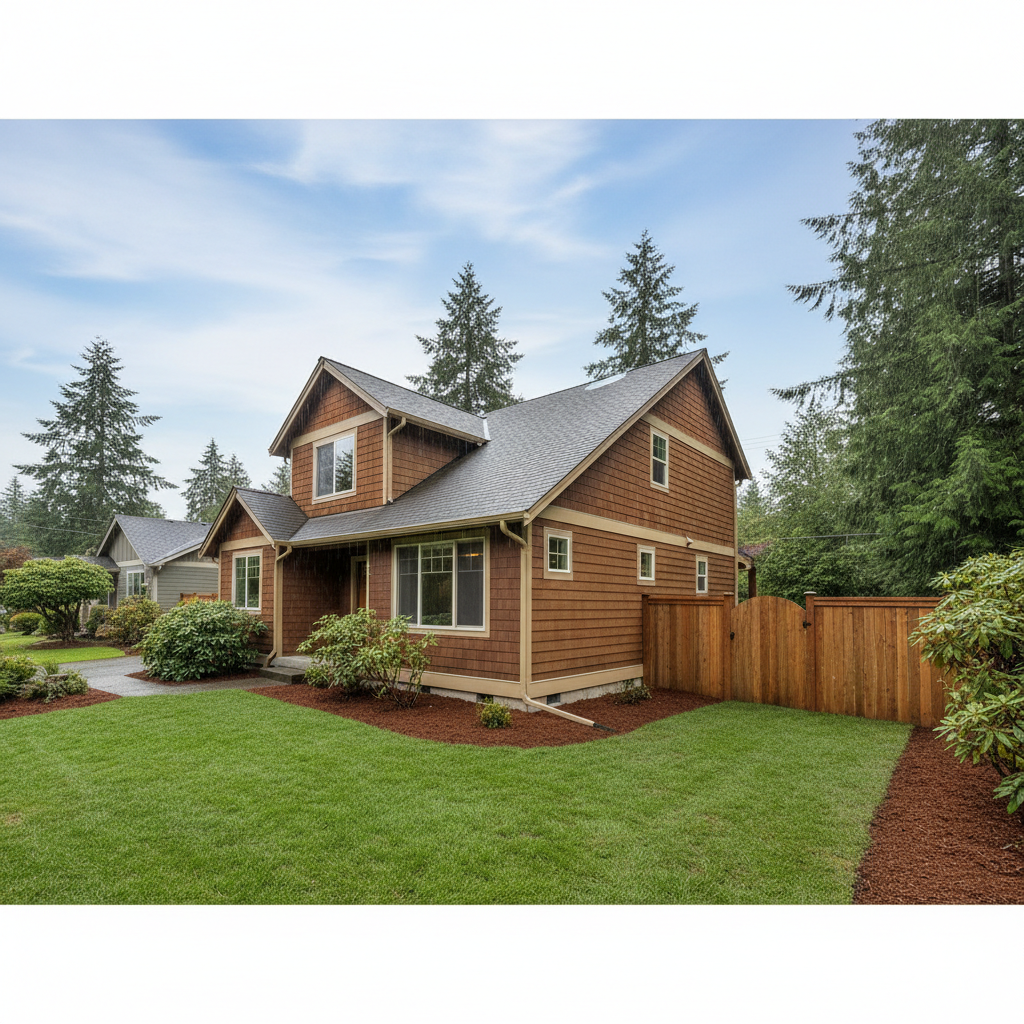
Ever notice how the rain around Sultan, WA just seems to settle in and stay awhile? Between the relentless atmospheric rivers rolling off the Cascades and our heavy clay local soils, water does not drain away as fast as we would like. When a serious storm hits, that standing water finds every little weakness in your foundation, roof, and siding.
Property owners need to know how our local climate affects storm damage restoration, and what steps to take to protect their property year-round.
When to Schedule Inspections and Repairs
Most people wait until water is actively pooling in their living room to call for help. Do not do that. The best time to check your roof and gutters is early fall, right before the heavy rains start pounding the Skykomish Valley. Once winter sets in with freezing temperatures and non-stop moisture, doing exterior repairs becomes a muddy, dangerous process.
If a severe windstorm knocks a branch into your siding or rips off a few shingles, time is important. Here in Western Washington, trapped moisture breeds mold very fast. Valley Coast Restoration has seen small leaks turn into major structural rot in a matter of weeks simply because the humidity stays very high through the winter months.
Weather Conditions That Affect Restoration Work
Homeowners often ask why we cannot just put a patch on everything the minute a storm passes. Trying to dry out a water-logged crawlspace when it is pouring outside and forty degrees requires industrial gear and patience. High outdoor humidity slows down evaporation rates inside wall cavities.
Sub-freezing winter nights also complicate things when working on exterior repairs or dealing with frozen and burst pipes. That is why having the right equipment matters. Industrial dehumidifiers and air movers make all the difference when the weather refuses to cooperate.
Protecting Your Property Year-Round
You cannot stop it from raining in Sultan, but you can keep that water away from your home. Keep your gutters clean of Douglas fir needles and leaves. Extend your downspouts at least six feet away from your foundation so water is not pooling right against your basement walls. Check your sump pump every spring and fall, and test the float switch before you actually need it.
Taking care of these small details now saves you from dealing with major mitigation later. For homes and businesses in Sultan, Valley Coast Restoration provides Water Damage Restoration services when water gets inside.